
TELEPORT INFRASTRUCTURE IDENTITY PLATFORM
Teleport Zero Trust Access

Trusted by Market Leaders








The Growing Infrastructure Problem
Distributed infrastructure, cloud computing, and DevOps have changed how we build and deploy applications. Access to infrastructure hasn't kept up. Engineers and security teams struggle with the complexity and attack surface of access silos, shared credentials, long-standing privileges, and insecure protocols.
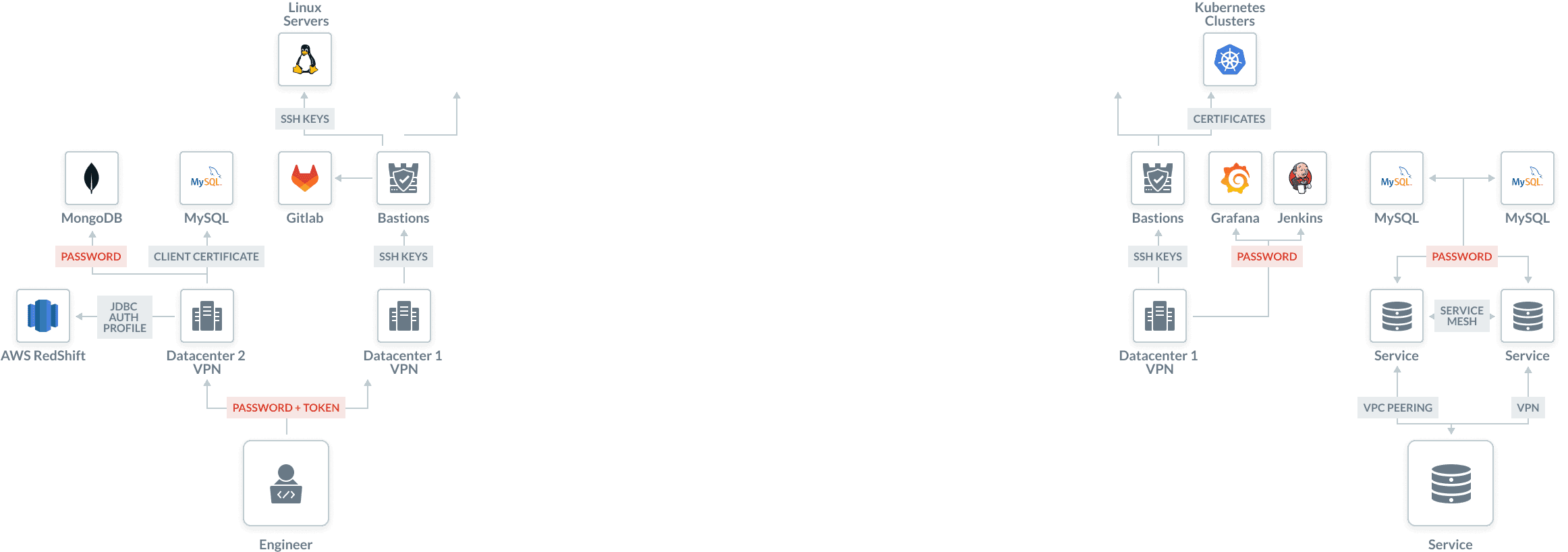
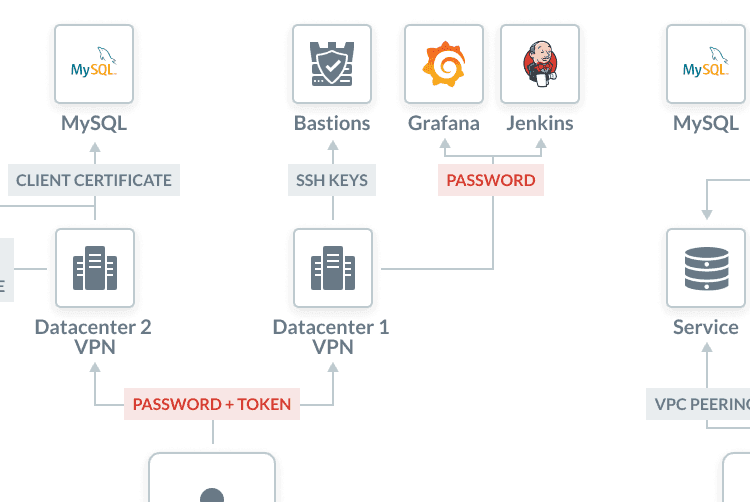
Streamline complexity and protect your infrastructure with Teleport Zero Trust Access
Cryptographic Identity
Lock down attack surfaces with cryptographic, phishing-resistant identities assigned to users, machines and workloads, devices, resources, and AI (agents and LLMs).
Teleport eliminates credentials, the #1 source of data breach.
User identities
Authenticate users without passwords leveraging biometric devices. Add Teleport as a security layer on top of your identity provider or use Teleport's SSO.
Machines & workloads
Issue and govern identities for your CI/CD automation systems, service accounts and microservices, and agentic AI and LLMs leveraging HSM and KMS.
Devices
Assign identities to enrolled TPM-equipped client devices (laptops, workstations, YubiKeys, and more).
Infrastructure
Assign a cryptographic identity to every application, server, database, and cloud resource. Supports SSH, RDP, databases, K8s, clouds, Model Context Protocol (MCP) and more.
Zero Trust, Unified Access
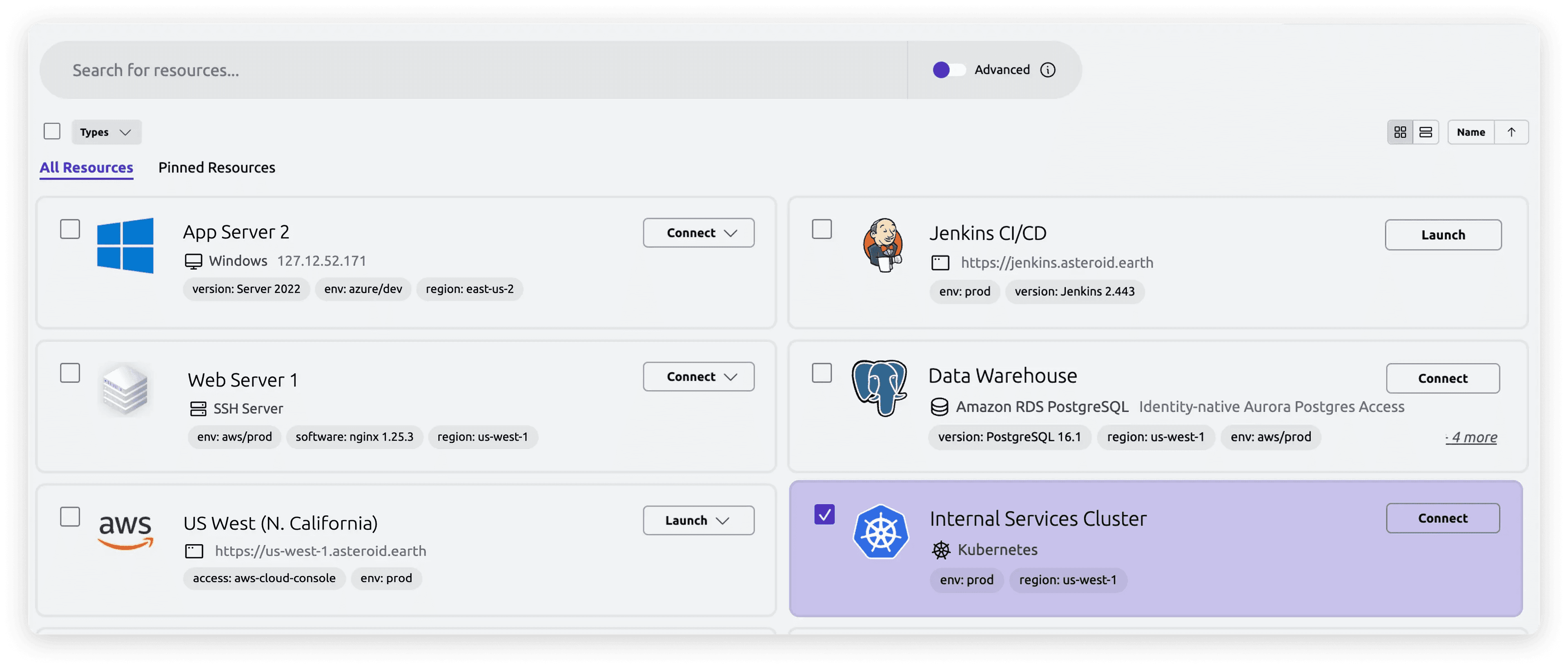
Break access silos with a unified inventory of all infrastructure resources in your organization. Eliminate the need for different access paths, passwords, shared secrets, vaults, and VPNs.
Protected Infrastructure
Self-updating inventory of trusted computing resources (servers, clouds, databases, Kubernetes clusters, Web apps) and enrolled TPM-equipped client devices (laptops, workstations, YubiKeys, and more)

Secure Remote Access
Zero-trust access to applications and workloads from anywhere, with auditable access across clouds, on-premises environments and IoT fleets, without VPNs, bastion hosts or vaults with shared secrets.
Teleport VNet
Connects developers to Internal, non-browser TCP resources, without VPNs or port forwarding or custom DNS entries and using their familiar tools and workflows, eliminating any exposure to the public internet
Short-lived Privileges
Enforce the practice of least privileged access and lower the operational overhead of managing privileges or
enforcing policy.
Short-lived Privileges
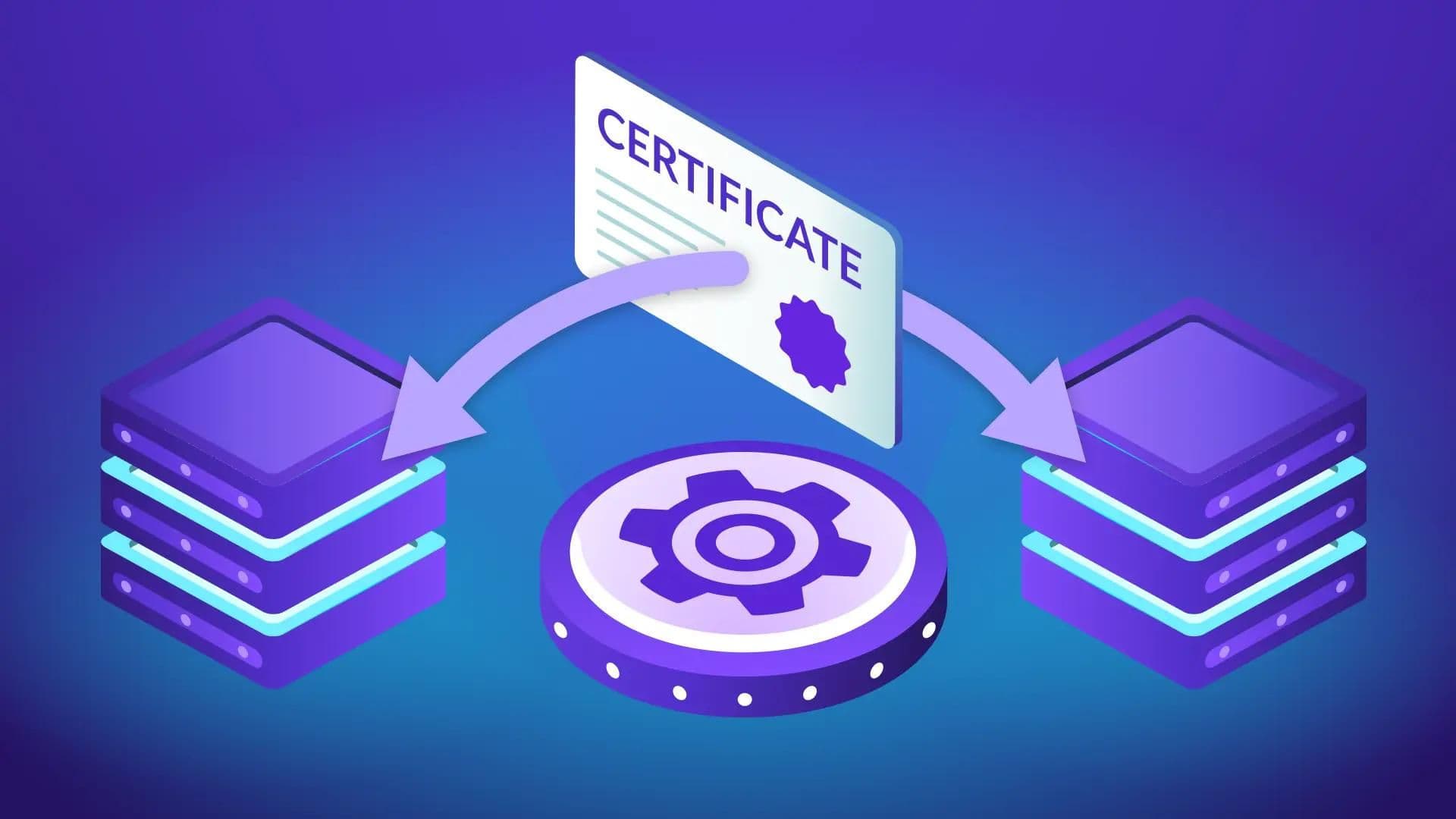
Temporary access is granted through short-lived certificates bound to biometric devices and secure enclaves, via Teleport's built-in certificate authority for X.509 and SSH certificates for all resources, including legacy systems.
Access Requests
Temporarily provision minimal privileges to complete a task, through manual review or predefined workflows. Available in Teleport Identity Governance. Learn more.
Consolidated Visibility & Audit
Collect all events generated by humans and machines across your entire infrastructure in one place and export to any SIEM or threat detection platforms (including Teleport Identity Security) for further analysis.
Identity-Based Audit Events
Collect structured, detailed audit events for each session with identity, application and protocol data.
Dual Authorization
Require approval by multiple authorized team members for highly privileged actions (e.g., FedRAMP AC-3 & SOC 2).
Interactive Session Controls
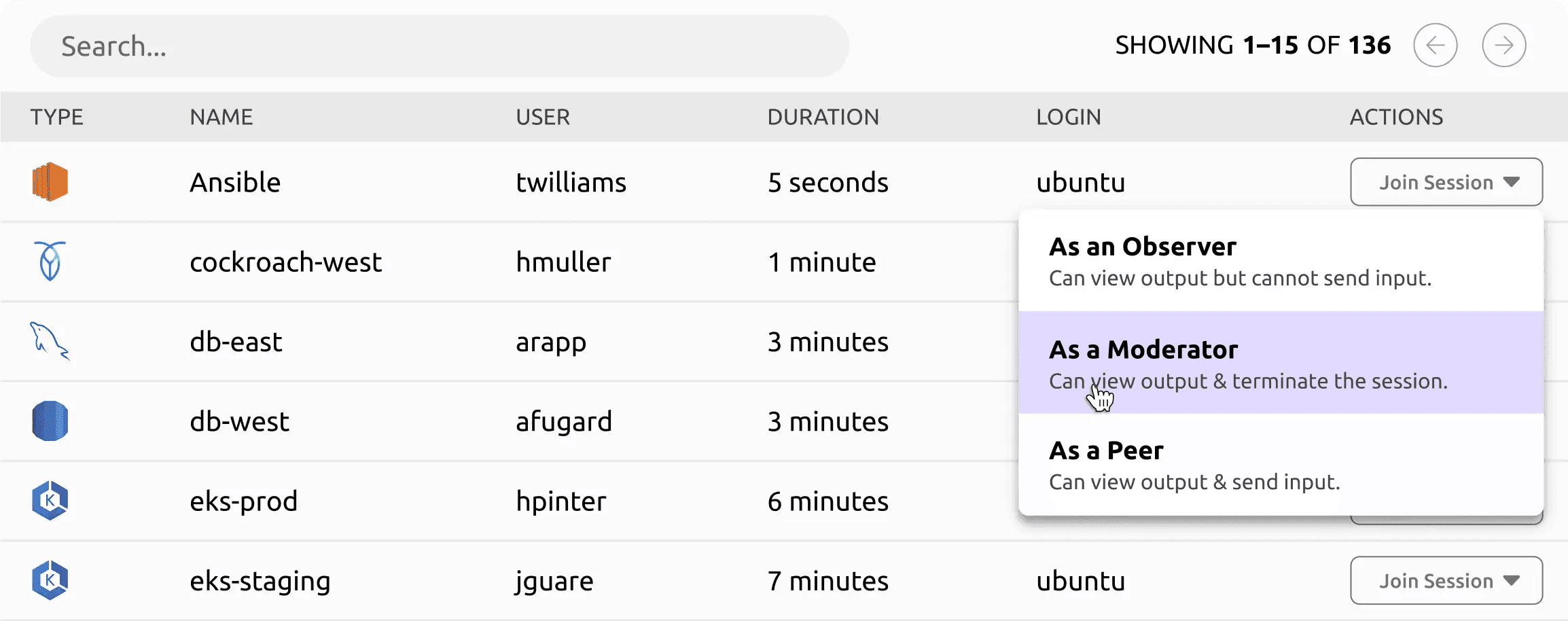
Record, replay, join, and moderate interactive sessions for SSH and Kubernetes.
Session Sharing and Moderation
Require your highly privileged sessions to always include a moderator to prevent production and security incidents.
Live Sessions View
View every active authenticated connection across your entire infrastructure. Interfere if needed.
Session Recording & Playback
Record sessions for detailed review of who accessed what and what took place.
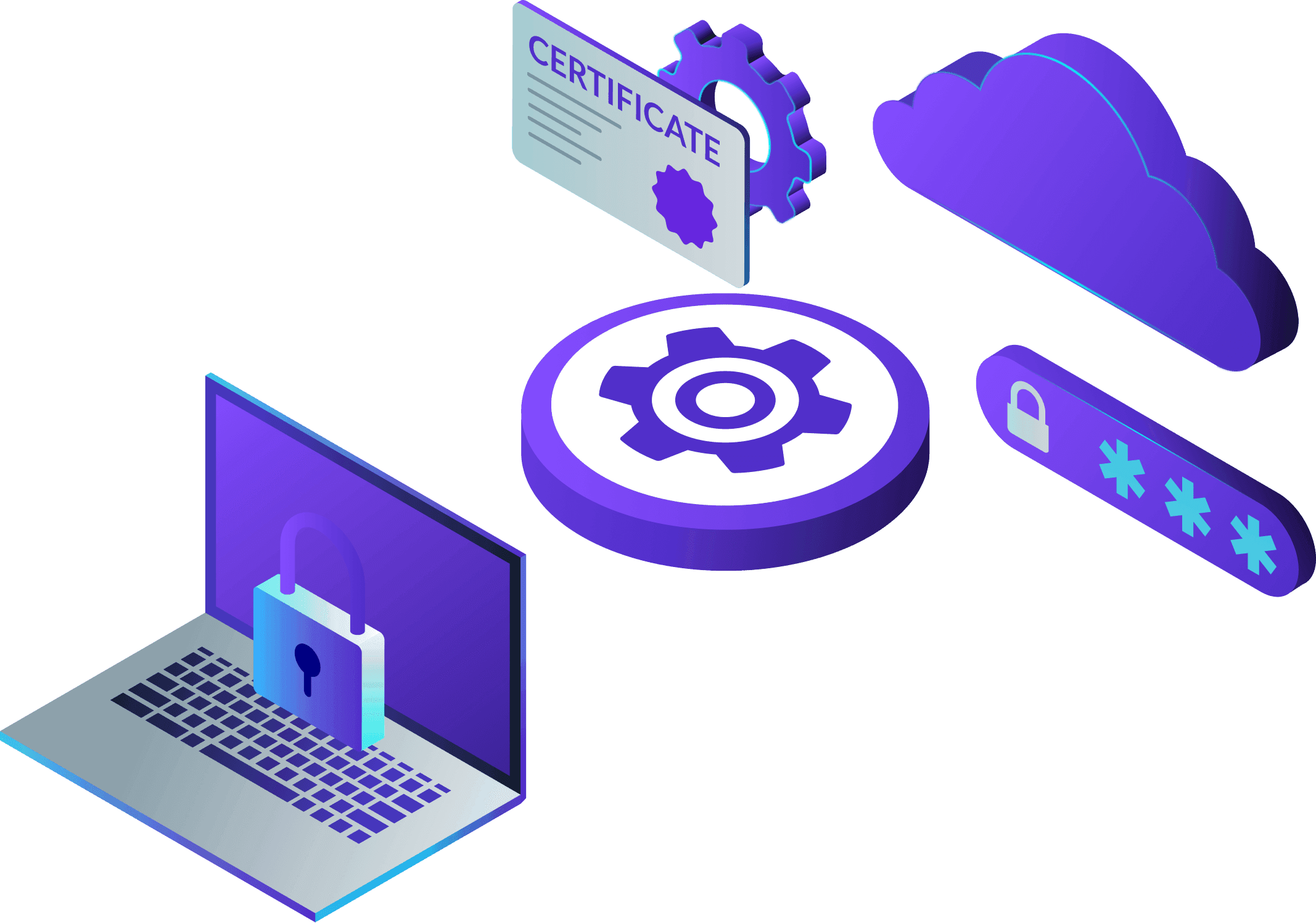
Achieve both engineering velocity
and infrastructure resiliency
Improve engineer velocity
Unify access, streamline access requests, speed onboarding/offboarding
Streamline operational complexity
Eliminate VPNs/bastions, modernize privileged access management, and reduce the audit burden
Transform security model
Eliminate static credentials, enforce least privileged access, and unify multi-cloud access control
ANALYST RESEARCH
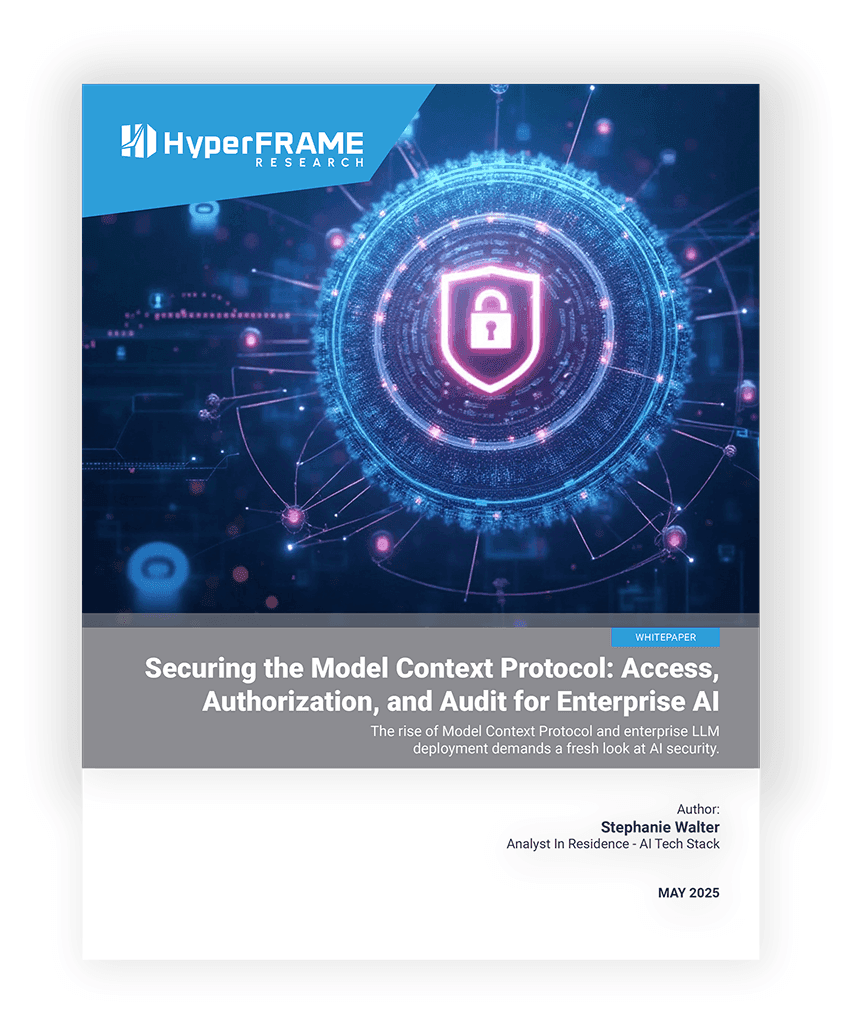
Securing the Model Context Protocol: Access, Authorization, and Audit for Enterprise AI
As enterprises operationalize AI and embed LLMs into core workflows, a new frontier in access and data governance has emerged: the Model Context Protocol (MCP). Securing the Model Context Protocol: Access, Authorization, and Audit for Enterprise AI unpacks the security risks and governance challenges MCP introduces, and why traditional models fall short in protecting LLM-powered systems. This white paper explores how extending Infrastructure Identity to MCP workflows unifies access control across human, machine, and AI identities—eliminating static credentials, enforcing task-based authorization, and ensuring audit-ready visibility.
Download the white paper to learn how your organization can future-proof AI deployments with secure, policy-driven control that scales with innovation.

Ready to get started?
Delight your engineers. Protect your infrastructure.