UNIFIED IDENTITY LAYER
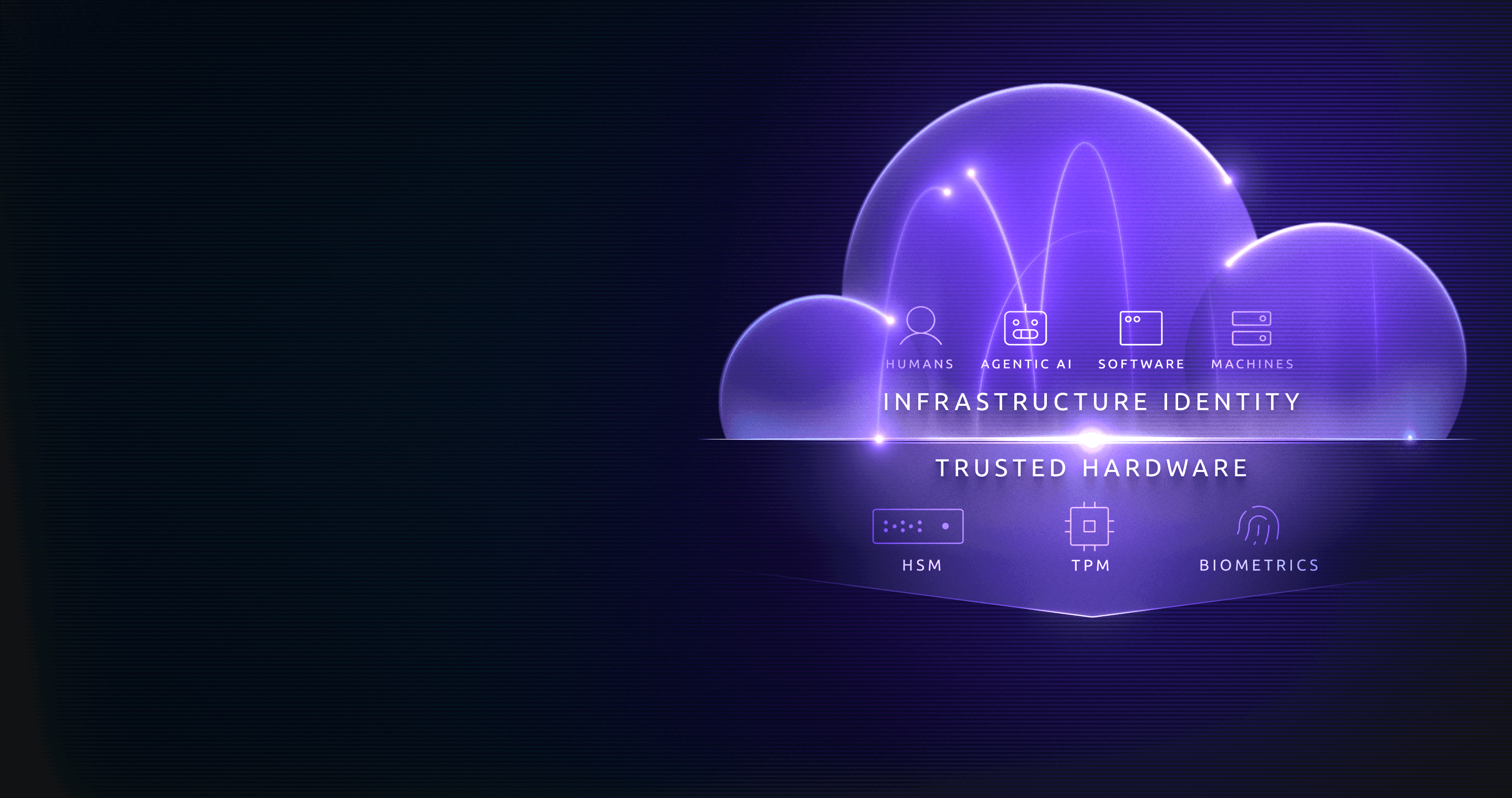
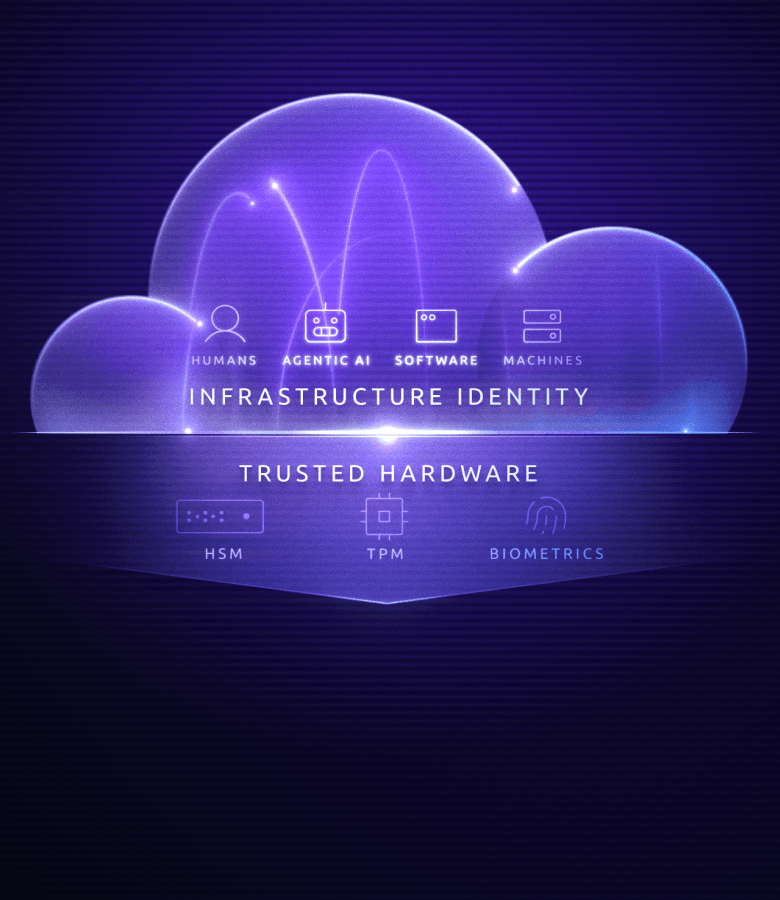
Infrastructure Identity for Humans, Machines, Software, and Agents
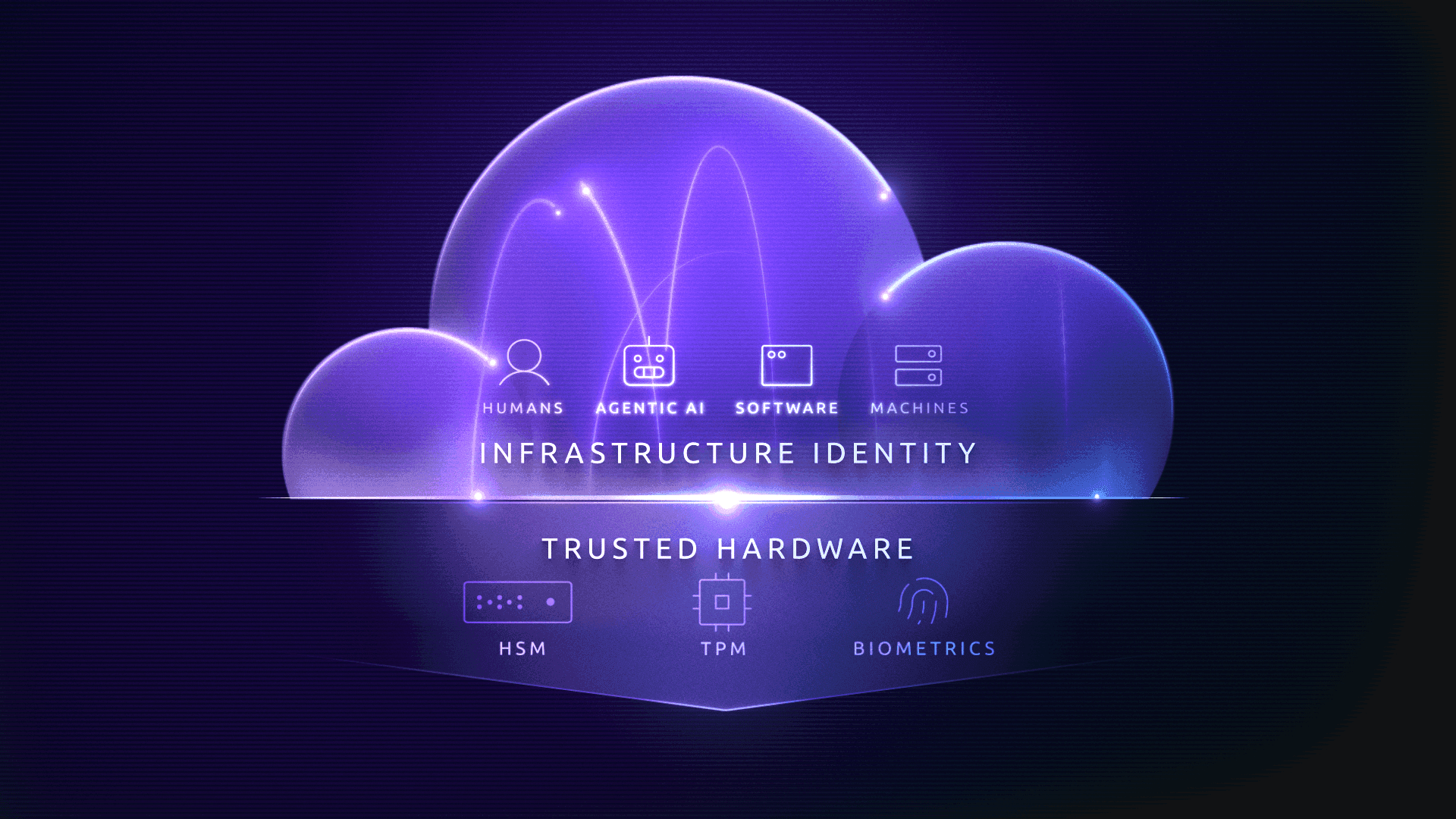
Treat every identity as a first class citizen, implemented with strong identity and unified in one layer to improve resilience and drive operational efficiency across your infrastructure. A prerequisite for securely implementing AI in infrastructure.
TRUSTED BY LEADERS






























FRAGMENTED IDENTITIES INTRODUCE RISK
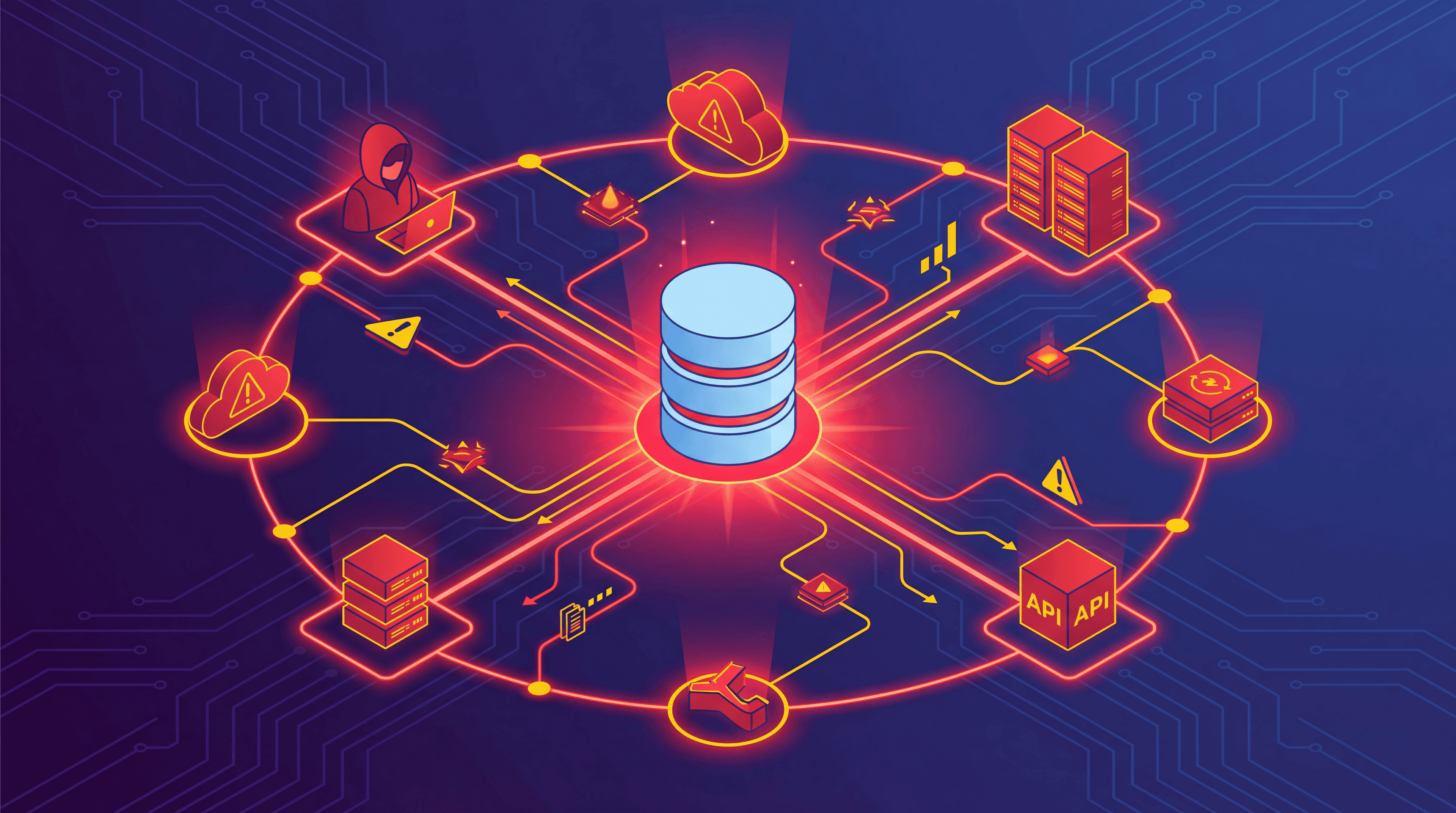
Why Secrets Don’t Scale
Every engineer has faced the challenge of too many access paths, passwords, and credentials to handle, often resorting to shortcuts that increase risk.
However, the real risk in static credentials is not just that they’re messy and difficult to manage. They proliferate everywhere, with accounts registered in different resources. At scale, there are too many access paths to watch, govern, or control. Determined hackers can eventually find a way in to get to sensitive data.
Unified Identity Is Necessary for Securing AI Infrastructure
In the age of AI, layering nondeterministic agents on top of a myriad of unprotected access paths is a recipe for disaster. A unified identity layer, implemented with strong identity, protects organizations against identity compromise and can readily be extended from securing humans and machines to also securing AI, accelerating the path to business innovation.
Teleport Unified Identity Layer
Teleport unifies identities and secures access for your entire infrastructure with:

Strong identity implementation

Unified humans, machines, and agentic AI

Zero trust access control: secretless authentication + ephemeral privileges
Strong Identity Implementation
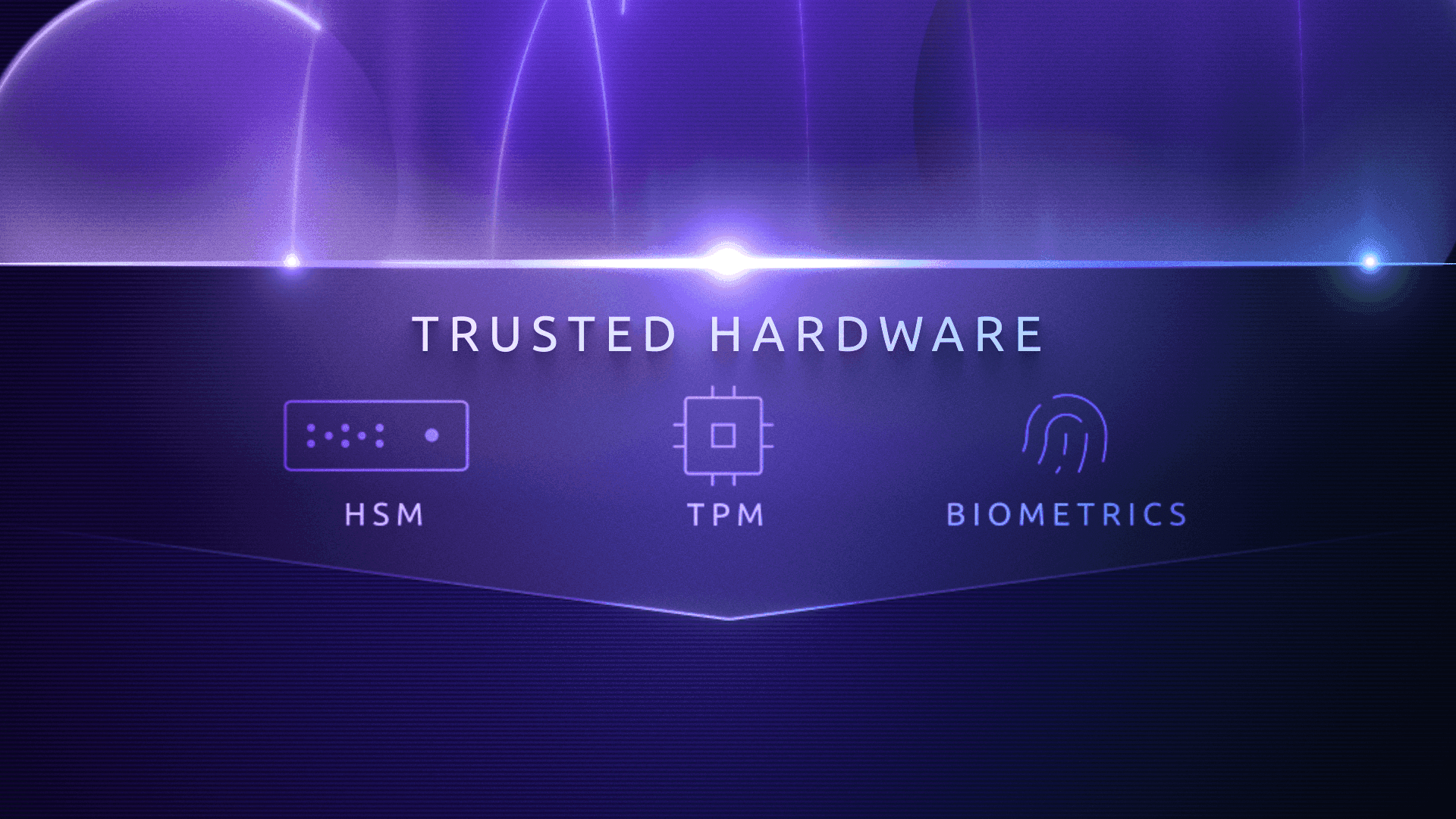
Teleport locks down attack surfaces with cryptographic, phishing-resistant identities assigned to users, machines and workloads, devices, resources, and AI (agents and LLMs).
All Teleport identities are backed by a physical-world root of trust: biometrics for humans, secure enclaves (TPM) for machines, and secure hardware (HSM) for workloads. These identities are cryptographically backed, ensuring that they cannot be lost, stolen and shared. The result? Every actor in your infrastructure is a known, trusted identity that cannot be hacked or phished.

Unified Infrastructure Identities
All identities are enrolled in Teleport, creating a unified identity layer for users, machines, devices, agents, and protected resources:
Users: Authenticate users without passwords leveraging biometric devices. Add Teleport as a security layer on top of your identity provider or use Teleport's SSO.
Machines & workloads: Issue and govern identities for your CI/CD automation systems, service accounts and microservices, and agentic AI and LLMs leveraging HSM and KMS.
Devices: Assign identities to enrolled TPM-equipped client devices (laptops, workstations, YubiKeys, and more).
Resources: Assign a cryptographic identity to every application, server, database, and cloud resource. Supports SSH, RDP, databases, K8s, clouds, Model Context Protocol (MCP) and more.
Zero Trust Access Control
Access and governance is based on secretless authentication and ephemeral privileges that expire, further removing standing privileges as a threat vector that can be exploited. Steady state infrastructure, that is infrastructure where there is no active work being performed, becomes immune to threat actors because there is no path in. The risk of “infinite access paths” is remediated, with full visibility into authorization pathways that can be locked down and removed.

Full Visibility with No Anonymous Actors
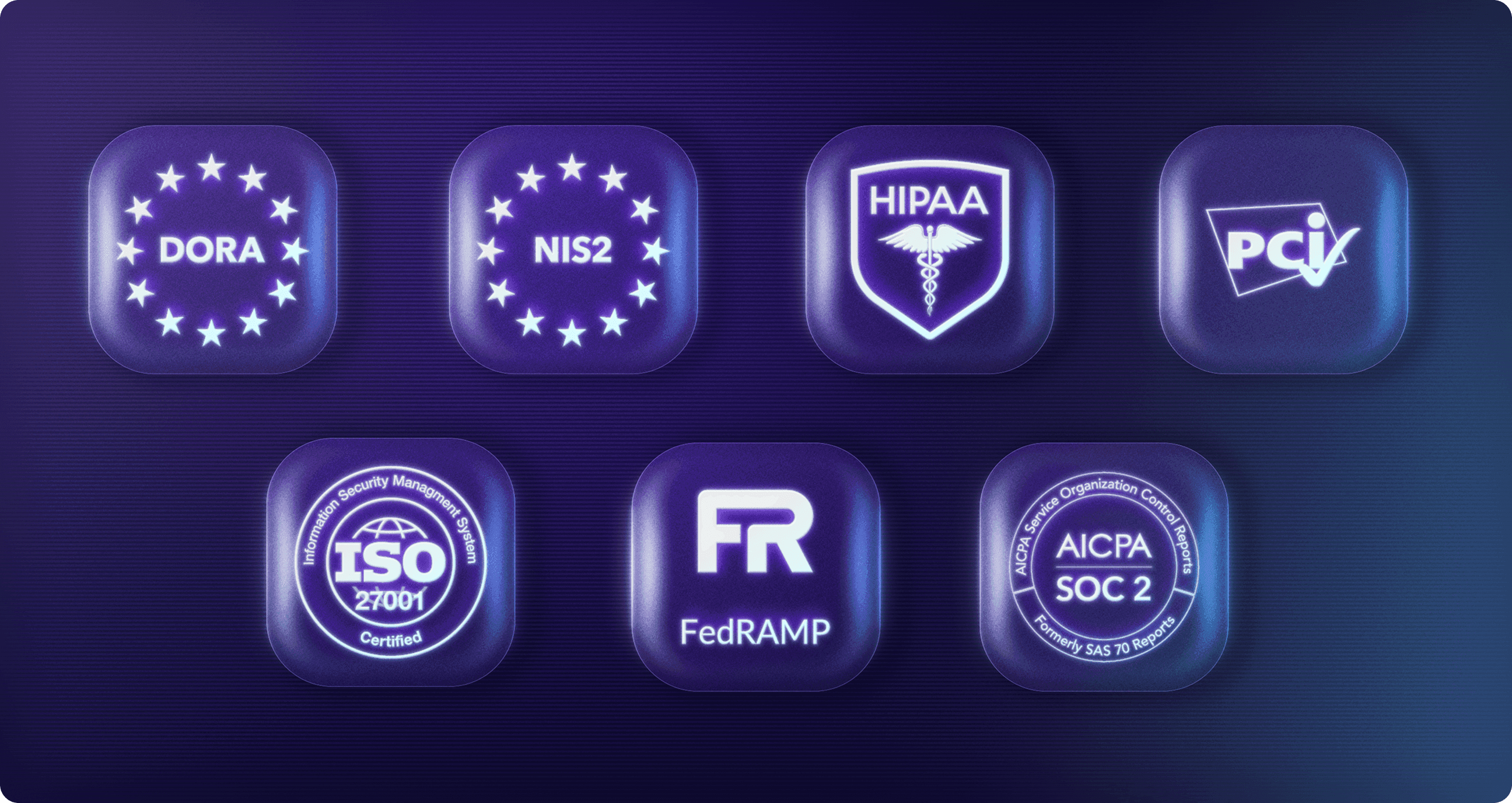
With full visibility into actors and access events, audit/compliance and forensic investigation becomes a breeze. There are no more anonymous or super-user actors taking actions that obfuscate the data. Teleport simplifies the thorniest access control requirements for major and regional regulatory standards.
A Prerequisite to Securing AI Infrastructure
Learn how Infrastructure Identity lays the foundation for resiliency and
operational efficiency that is needed to securely deploy AI into production environments.
Trusted by teams building critical infrastructure.
Teleport is a strategic technology partner as they help our joint customers to scale their AWS resources in a secure manner. With Teleport’s Identity-Native Infrastructure Access solution, DevOps Engineers get a frictionless experience managing infrastructure that doesn’t require secrets while implementing zero trust architecture in AWS.
Benjamin GardinerSenior Partner Solutions Architect AWS Startups
We use Teleport Access Requests in combination with Auth0 to easily manage access to our infrastructure. Prior to Teleport, we manually managed SSH keys and a bastion machine and it was an organizational nightmare.
Dylan StamatCTO
We used to go through multiple steps just to access cloud resources, and now it happens almost instantly. Our engineers are really happy with the significant improvement in their workflow.
Pradithya Aria PuraPrincipal Software Engineer
Teleport’s vision for Infrastructure Identity is a game-changer for securing hybrid infrastructure.
Steven DickensHyperFRAME
Teleport is a strategic technology partner as they help our joint customers to scale their AWS resources in a secure manner. With Teleport’s Identity-Native Infrastructure Access solution, DevOps Engineers get a frictionless experience managing infrastructure that doesn’t require secrets while implementing zero trust architecture in AWS.
Benjamin GardinerSenior Partner Solutions Architect AWS StartupsWe use Teleport Access Requests in combination with Auth0 to easily manage access to our infrastructure. Prior to Teleport, we manually managed SSH keys and a bastion machine and it was an organizational nightmare.
Dylan StamatCTOWe used to go through multiple steps just to access cloud resources, and now it happens almost instantly. Our engineers are really happy with the significant improvement in their workflow.
Pradithya Aria PuraPrincipal Software EngineerTeleport’s vision for Infrastructure Identity is a game-changer for securing hybrid infrastructure.
Steven DickensHyperFRAME
With Teleport, we were even able to close the Kubernetes API without losing access for our engineers or automation tools. That alone was a huge win.
Olga DaminovaInfrastructure Security Engineer, Rush Street Interactive
Teleport allows us to comply with the regulatory hurdles that come with running an international stock exchange. The use of bastion hosts, integration with our identity service and auditing capabilities give us a compliant way to access our internal infrastructure.
Brendan GermainSystems Reliability Engineer
The Infrastructure Identity solution from Teleport offers a glimpse into the future of more secure, more resilient, and higher-velocity enterprise computing.
Dr. Ed Amoroso CEO & Lead Analyst
Teleport has made obtaining a FedRAMP-Moderate ATO that much more achievable via their FIPS 140-2 endpoints, ease in integration with our SSO and MFA , and the view into audit logs of remote connection sessions provide the appropriate insight for Continuous Monitoring.
Jeff GillSenior Director of Engineering
Over the many years of using Teleport, it's been an essential piece of my infrastructure to help secure access, and centralize my infrastructure into one dashboard, without having to jump around… I'm not sure how I could go without it.

With Teleport, we were even able to close the Kubernetes API without losing access for our engineers or automation tools. That alone was a huge win.
Olga DaminovaInfrastructure Security Engineer, Rush Street InteractiveTeleport allows us to comply with the regulatory hurdles that come with running an international stock exchange. The use of bastion hosts, integration with our identity service and auditing capabilities give us a compliant way to access our internal infrastructure.
Brendan GermainSystems Reliability EngineerThe Infrastructure Identity solution from Teleport offers a glimpse into the future of more secure, more resilient, and higher-velocity enterprise computing.
Dr. Ed Amoroso CEO & Lead AnalystTeleport has made obtaining a FedRAMP-Moderate ATO that much more achievable via their FIPS 140-2 endpoints, ease in integration with our SSO and MFA , and the view into audit logs of remote connection sessions provide the appropriate insight for Continuous Monitoring.
Jeff GillSenior Director of EngineeringOver the many years of using Teleport, it's been an essential piece of my infrastructure to help secure access, and centralize my infrastructure into one dashboard, without having to jump around… I'm not sure how I could go without it.
Frequently Asked Questions
What is a “unified identity layer”?
Teleport implements a unified identity layer by providing cryptographic identities for humans, machines, workloads, endpoints, infrastructure assets, and AI agents from one control plane.
Does Teleport extend the same identity approach used for humans and machines to AI agents?
Yes. The Teleport Infrastructure Identity Platform establishes one unified identity layer for humans, machines, workloads, and AI agents, so agents inherit the same cryptographic identity, least-privileged access, and audit that already govern engineers and services. Teams add AI agents as another identity type on the platform they already run, rather than standing up a separate system for them.
Why don’t secrets and credentials scale with AI?
Static credentials create unmanaged, and over-privileged access paths. Teleport eliminates them in favor of short-lived, cryptographic identities for human, machine, and AI actors.
Does Teleport make audits and investigations simpler?
Teleport centralizes logs, visualizes identity-to-resource access with Access Graph and dashboards, and provides tools like SQL Editor to quickly answer audit questions about who accessed what, when, and how.
How does Teleport scale identity and access as the infrastructure footprint grows?
The Teleport Infrastructure Identity Platform runs one unified identity layer across every resource, so adding servers, clusters, databases, and regions extends the same cryptographic identity, least-privileged policy, and audit rather than adding another tool to manage. Teleport delivers via infrastructure-as-code and runs across global data centers with redundancy, which is how platform teams grow without access sprawl.
Does Teleport unify infrastructure access and policy across on-prem, cloud, colocation, and edge?
Yes. The Teleport unified identity layer applies one identity and one access policy across on-prem, cloud, colocation, and edge, so teams manage access in one place instead of a separate tool per environment. Engineers reach any resource through the same control plane, and security sees a single audit trail across all of it. Trusted clusters connect distributed sites under that one layer.
Does Teleport consolidate fragmented identity and access tooling into a single layer across cloud and on-prem?
Yes. Teleport replaces fragmented identity and access management systems with one unified identity layer across cloud and on-prem, which retires the collection of point tools teams accumulate for SSH, Kubernetes, databases, and cloud access. On average organizations use 5.7 different tools to manage access policy, and Teleport consolidates that into a single cryptographic identity layer with one audit trail.
Does Teleport integrate with Okta, Entra ID, and AWS IAM to extend identity to Kubernetes and databases?
Yes. Teleport integrates with Okta, Microsoft Entra ID, and AWS IAM Identity Center and extends that identity to infrastructure such as Kubernetes, databases, SSH servers, and cloud consoles. Your identity provider stays the source of truth for who a person is, and Teleport turns that into short-lived, least-privileged cryptographic access to the resources an identity provider alone cannot reach.
Can infrastructure teams onboard AI agents and workloads as first-class identities in Teleport?
Yes. Teleport onboards workloads and AI agents as identities on the same unified identity layer that serves humans and machines, so each one is attested, issued short-lived cryptographic identity, and given least-privileged access from day one. Infrastructure teams add these identity types to the platform they already run rather than bolting on a separate system for non-human access.
How does Teleport enforce consistent, least-privileged access policy across multiple environments and regions?
Teleport applies one access policy across every environment and region from a single unified identity layer, so the same least-privileged rules govern on-prem, cloud, and edge without being rebuilt per site. Policies ship as infrastructure-as-code, access is short-lived, and one audit log spans all of it, which keeps enforcement consistent as the footprint grows across regions.